Systematic Rural Logistics, Safety & Ecological Preservation
Delivering rigorous technical frameworks, public safety perimeters, and non-commercial logistical coordination that democratize open outdoor recreation and safeguard the rural commons of Saint-Cyr-du-Doret.

Notre Mission • Statement of Public Utility & Community Benefit
CAVAL 'AUNIS enhances rural community life, public recreation, and regional accessibility by providing comprehensive, non-commercial logistical support for open-access equestrian events, public horse treks, and outdoor heritage gatherings throughout Saint-Cyr-du-Doret and the broader Charente-Maritime territory. The organization directly serves the public interest by managing crucial physical infrastructure, municipal safety perimeters, emergency communications, and operational volunteer resources that enable secure, inclusive, and barrier-free sporting and cultural experiences for residents of all generations. By lowering technical and administrative hurdles for rural civic initiatives, the association actively revitalizes open rural spaces, counters demographic isolation, safeguards communal bridle paths, fosters civic volunteering, and strengthens the cultural cohesion of our rural territory under rigorous non-profit governance.
1. The Four-Stage Operational Methodology for Rural Public Gatherings
Conducting large-scale public outdoor events involving equines and unmotorized transport across mixed rural terrains necessitates disciplined, step-by-step methodology. Unlike private commercial operations driven by ticket sales or spectator charges, CAVAL 'AUNIS adheres to a public interest protocol designed to minimize hazards, eliminate public expenditure for municipal councils, and guarantee open access.
Our volunteer ground coordinators follow a standardized four-phase lifecycle for every field intervention:
Phase I: Pre-Event Cartographic & Hazard Reconnaissance
Four to six weeks prior to any public assembly, our reconnaissance stewards traverse designated rural paths on foot and horseback. They map soil conditions, identify low-hanging branches, verify gate clearances, assess culvert stability, and survey seasonal flora and fauna. Geo-tagged obstacle maps are created and shared with municipal road services.
Phase II: Regulatory Filings & Municipal Securitization
Our administrative bureau submits comprehensive safety dossiers to the Charente-Maritime Prefecture and involved mairies. We establish formal route orders, secure municipal road-crossing authorizations, formulate emergency medical ingress routes with SDIS 17, and verify third-party civil liability coverage across all communal boundaries.
Phase III: Real-Time Field Infrastructure & Safety Dispatch
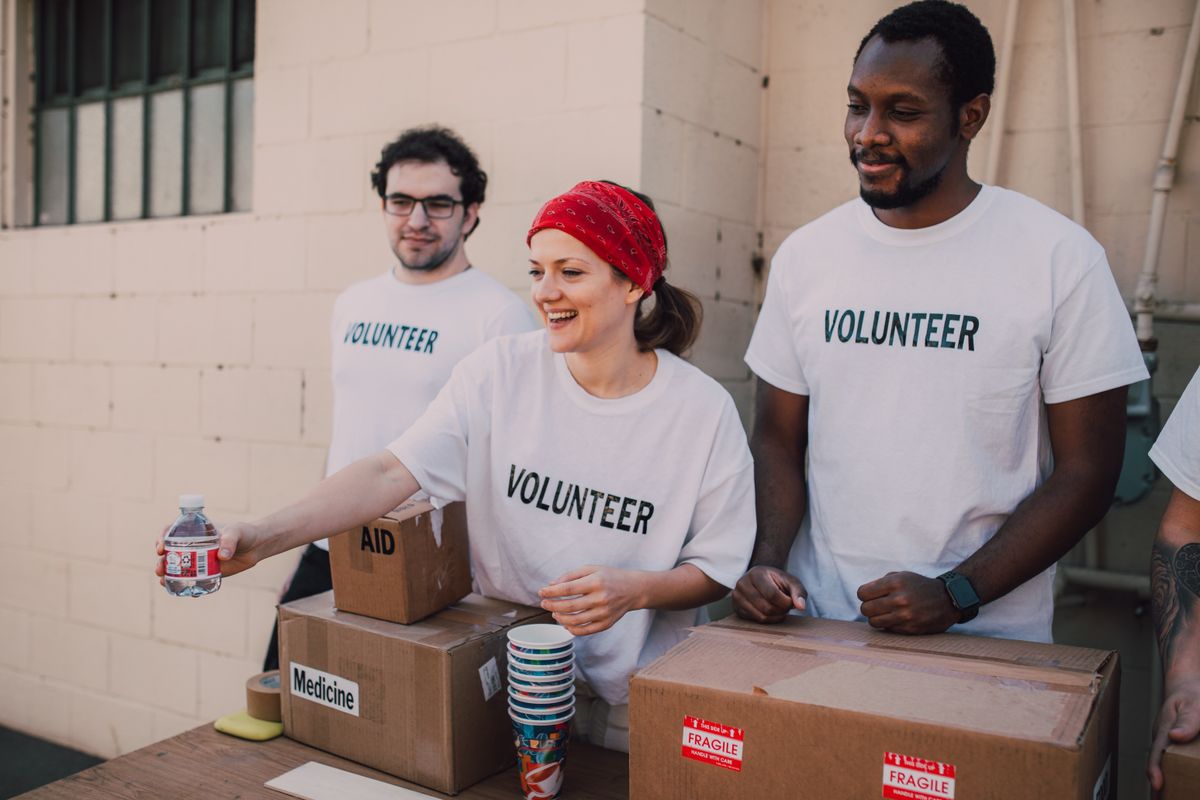
On the day of operation, our technical volunteers erect demountable safety enclosures, directional signposts, veterinary hydration points, and high-visibility crossing gates. Trained trail marshals equipped with dual-frequency UHF/VHF radios manage flow control, maintain animal separation, and monitor public well-being.
Phase IV: Post-Event Remediation & Environmental Restoration
Within 24 hours of gathering conclusion, clean-up crews sweep the entirety of the route. All temporary signage, protective padding, and organic debris are removed. Ground impact assessments are filed to verify zero trail degradation, ensuring paths remain pristine for local farmers, walkers, and wildlife.

2. Deep-Dive: Rural Bridleway & Trail Infrastructure Stewardship
Across the flat, marsh-bordered plains of Aunis, unpaved agricultural tracks and communal paths represent centuries of rural heritage. Over recent decades, mechanization and shifting rural priorities have led to the abandonment of unpaved paths, which quickly become choked with brambles or waterlogged by silted ditches.
CAVAL 'AUNIS operates an active Trail Stewardship Brigade that carries out manual clearing operations in full consultation with communal public works departments and in alignment with the Plan Départemental des Itinéraires de Promenade et de Randonnée (PDIPR). Rather than using heavy motorized machinery that compacts delicate subsoil, destroys earthworm colonies, or tears up tree roots, our teams rely on manual brush hooks, bow saws, and bypass loppers.
This gentle, low-impact stewardship restores historic drainage culverts, clears stone-lined ditches, and replaces broken wooden gates with non-hazardous latches. When a path is restored by CAVAL 'AUNIS, the benefits reverberate throughout the entire community: elderly residents use the paths for morning walks, school groups study hedgerow ecosystems, cyclists explore countryside circuits, and farmers have clear sightlines when entering parcel gates with machinery.
Furthermore, we install non-intrusive directional waymarkers made from sustainably harvested local oak. These discreet markers incorporate universal symbols indicating shared-trail etiquette, reminding horse riders, hikers, and cyclists how to pass one another courteously and safely.
3. Deep-Dive: Equine Welfare, Public Safety & Veterinary Standards
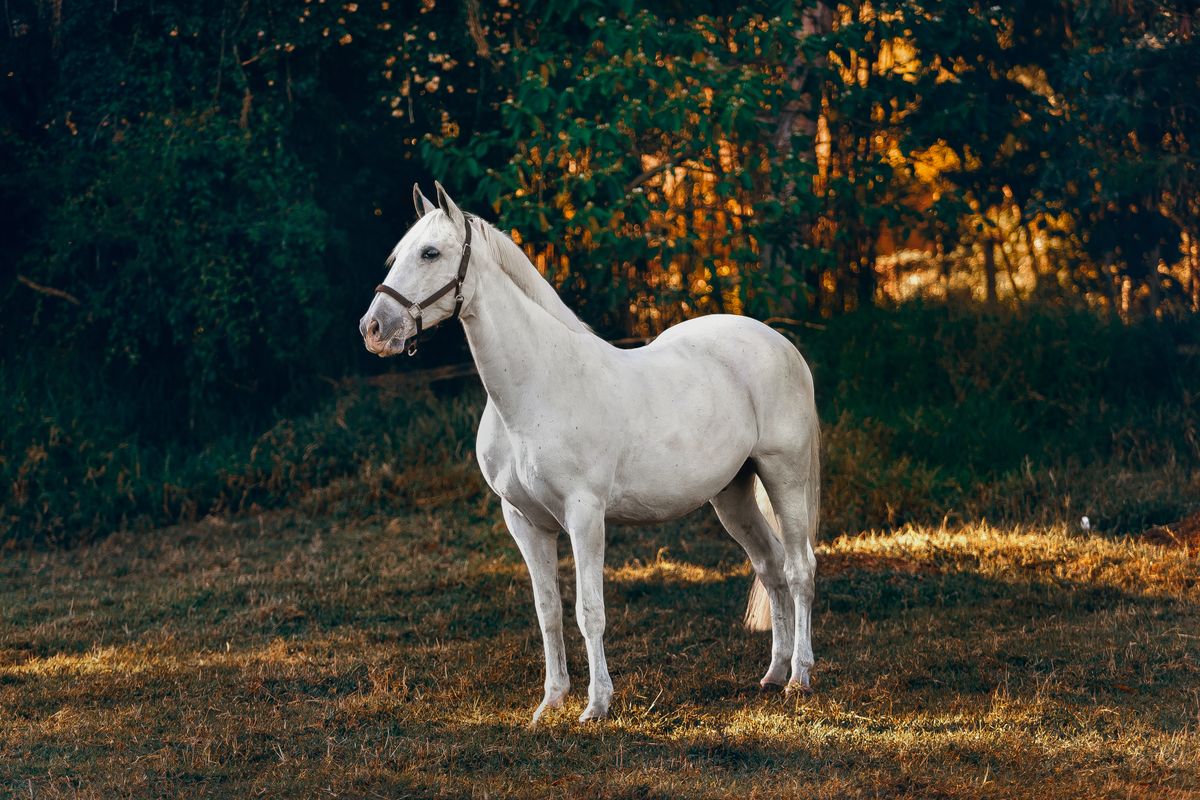
Horses are magnificent yet sensitive animals requiring knowledgeable handling in public spaces. In rural gatherings where large numbers of horses interact with crowds, children, and passing motor vehicles, specialized safety protocols are vital.
CAVAL 'AUNIS enforces a strict Equine Welfare and Safety Standard:
- Mandatory Hydration & Rest Checkpoints: We maintain mobile water tanks supplying clean, temperature-controlled water at designated intervals of 8 to 10 kilometers along all community trek paths.
- Separated Pedestrian & Mount Zones: At all gathering points, high-tensile lightweight perimeter tapes and physical buffers prevent accidental contact between nervous horses and active children.
- Trained Volunteer Marshals: Every marshal receives annual instruction in equine body language, spook mitigation, and rapid crowd de-escalation tactics.
- On-Call Veterinary Coordination: We establish standby protocols with local rural veterinary practitioners to ensure immediate professional intervention in the event of an animal injury or distress.
- Biometric Observation & Weather Moratoriums: If ambient summer temperatures exceed 30°C, trek distances are curtailed and shaded recovery corridors with misting sponges are mandated.
4. Technical Dispatch & Emergency Radio Architecture
One of the significant logistical challenges of the Aunis territory is irregular cellular telephone coverage across unpaved forest margins and remote marshlands. During outdoor public events, relying solely on commercial mobile networks creates unacceptable safety vulnerabilities in the event of an emergency.
To solve this challenge, CAVAL 'AUNIS maintains an autonomous volunteer telecommunications array consisting of eight dual-band VHF/UHF transceivers operating on authorized emergency frequencies. We establish a central base station equipped with a high-gain omnidirectional antenna positioned at a high elevation point in Saint-Cyr-du-Doret.
Mobile trail marshals and bicycle reconnaissance units maintain continuous radio contact with the base coordinator. Every 30 minutes, checkpoints report progress, crowd counts, weather shifts, and trail condition observations. If an equestrian rider experiences difficulty or a spectator requires medical assistance, the base coordinator can pinpoint the exact GPS waypoint and dispatch volunteer first-responders or guide SDIS 17 emergency ambulances through agricultural access gates without hesitation.
5. Deep-Dive: Rural Intergenerational Inclusion & Eco-Education
A key tenet of our Association Loi 1901 charter is countering the cultural and generational divide that frequently isolates rural residents. Many young people living in rural hamlets rarely have access to organized equestrian activities due to financial costs associated with commercial riding schools. Conversely, elderly citizens often experience feelings of loneliness and detachment from outdoor community life.
CAVAL 'AUNIS bridges this gap by hosting free, non-commercial Discovery Modules. During these gatherings, experienced horse owners and volunteer equestrians welcome children, adolescents, and seniors to observe horsemanship, grooming, and tack care. Participants learn about animal psychology, rural ecology, and the historical role of working equines in Charente-Maritime agriculture.
These sessions are 100% free of charge and require no prior riding experience. They emphasize connection, patience, and mutual respect, allowing rural families to enjoy quality outdoor time together without incurring financial stress.

6. Deep-Dive: Ecological Responsibility & Sustainable Rural Commons
Our geographical operational territory sits on the northern edge of the Aunis plain, adjacent to the sensitive ecosystems of the Marais Poitevin natural regional park. This unique landscape of drainage canals, hedgerows (bocage), and low-lying pastures is home to diverse avian and amphibian populations.
CAVAL 'AUNIS adheres to a strict "Zero Trace" environmental code:
- Seasonal Nesting Moratoriums: We schedule no group trail treks along hedgerow paths between April 15 and June 15 to safeguard the nesting periods of ground-dwelling birds and wetland species.
- Anti-Compaction Route Rotation: Routes are rotated seasonally to prevent soil compaction and root damage on damp clay soils.
- Civic Litter Eradication: Every field gathering incorporates a parallel litter-sweep where volunteers collect and properly recycle discarded plastic or cans found along rural roadsides.
Institutional Reinvestment Commitment
In strict compliance with non-profit standards, "All membership fees and dues are fully reinvested in the association's public interest missions." We do not sell commercial sponsorships, we host no paid promotions, and every euro entrusted to CAVAL 'AUNIS directly funds communal safety kits, path signage, and public educational resources.
7. Comprehensive Emergency Evacuation & Veterinary First-Response Protocols
Managing large equines in outdoor public spaces requires foresight and uncompromising safety architecture. CAVAL 'AUNIS establishes a tripartite emergency readiness chain during all organized outdoor treks:
- Immediate Incident Containment: Trail marshals are equipped with portable high-strength boundary webbing to isolate any startled horse within 60 seconds, preventing panic from spreading through the gathering.
- Rapid GPS Extrication Corridors: Pre-negotiated access gates with local agricultural landowners ensure that tractor-drawn horse trailers or veterinary support vehicles can reach any trail coordinate within 15 minutes.
- Triaged Medical Communications: High-frequency radio channels are prioritized so that ground marshals can transmit vital signs directly to standby on-call veterinary practitioners and emergency responders simultaneously.
This systematic preparedness guarantees that the general public, volunteer riders, and the animals themselves operate under the highest possible safety standards throughout our rural territory.
Get Involved with Our Public Interest Missions
Whether you are an experienced trail rider, a passionate walker, or a citizen committed to rural heritage preservation, CAVAL 'AUNIS welcomes your energy.